Condition · sacral
Sacroiliac Joint Pain: Symptoms, Causes & Treatment
Sacroiliac joint pain arises from the joint connecting the base of the spine to the pelvis. It commonly causes low back and buttock pain and is usually managed without surgery.
Sacroiliac joint pain is a recognised but frequently overlooked cause of low back and buttock pain. Because its symptoms overlap with disc and hip problems, it can be mistaken for other conditions, and a careful assessment is needed to identify it. The reassuring point is that sacroiliac joint pain is usually managed successfully with non-surgical care, and surgery is reserved for a small minority of carefully selected cases.
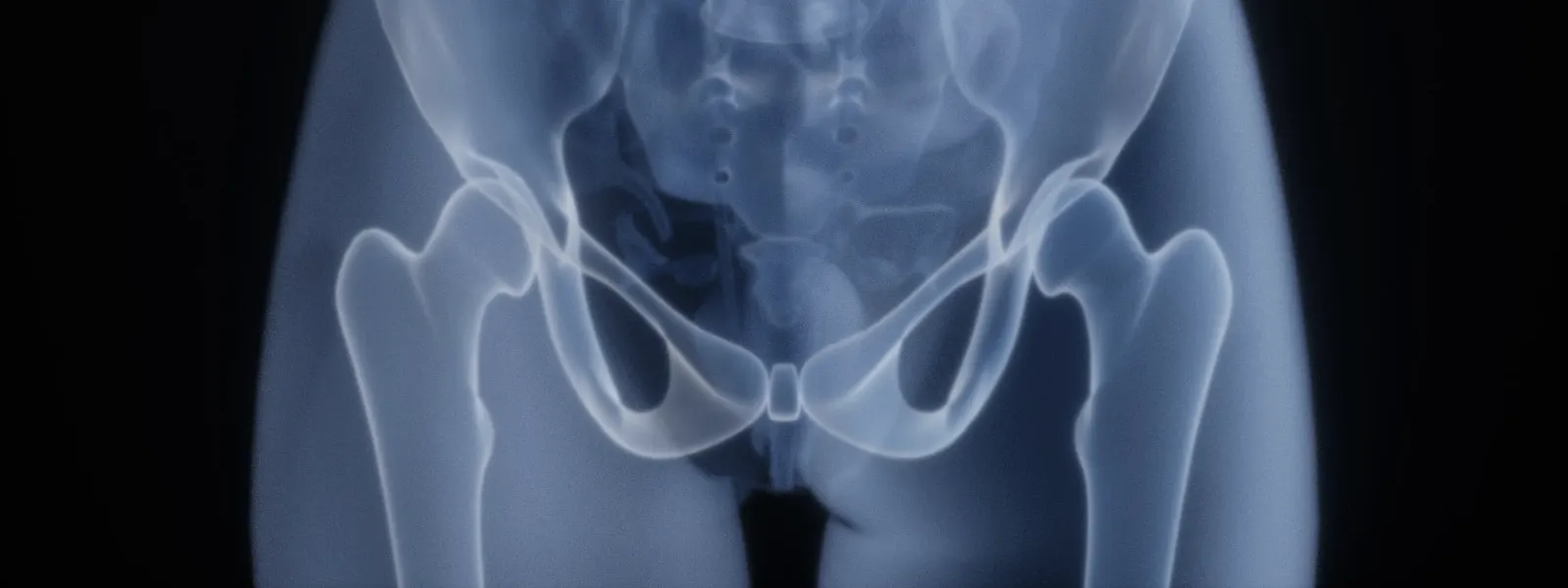
The sacroiliac (SI) joints are two small joints located on each side of the sacrum at the lower end of the spine. These joints connect the sacrum to the hip bone. Although small, they are very strong and provide structural support and stability that is fundamental to how we move, respond and adapt to the world around us. These joints are also crucial for efficient load transfer between the upper body and legs, while allowing for some movement.
Sacroiliac joint pain can indicate problems like joint inflammation. However, it can be surprisingly difficult to identify sacroiliac joint pain symptoms, as they can feel very similar to sciatica, hip problems or a slipped disc. Pain in your sacroiliac joint is closely and directly linked to your lower back and pelvis and occurs when the joint where your spine connects to your pelvis is irritated. This may initially be confused with common lower back ache, hip pain or muscle soreness or even sciatica.
The sacroiliac joint joins your lower spine and pelvis, so pain there can impact several areas of the body, including the buttocks and lower back, and affect your quality of life. It affects the legs, groin and even the feet. These symptoms may be more prominent and aggravated by some physical activities, sustained postures or direct pressure to the joint. Knowing the symptoms can help you know when it might be time to seek medical advice from a professional.
What Is Sacroiliac Joint Pain?
Sacroiliitis is a painful condition that affects one or both sacroiliac joints, which connect the sacrum to the pelvis, accompanied by inflammation and irritation. Pain onset can be gradual or acute and may be caused by repetitive stress, poor posture, or muscle imbalances. These factors can irritate the joint and affect hip alignment. SI joint pain may also appear suddenly after an injury. A sudden hit to the sacroiliac joints, such as from a motor vehicle accident or a fall, can damage them. Sacroiliac joint pain is often associated with inflammation in the joint, which is a core feature of sacroiliac (SI) joint pain.
Most people experience SI joint pain on one side of the lower back or buttocks, although some people may experience symptoms on both sides. The pain may radiate toward the hip, groin, thigh, or one or both legs, depending on the underlying cause. Some people may also have trouble sitting.
Most SI joints only move about 2 to 4 millimeters during movements such as weight bearing and forward bending. They are supported by a robust network of ligaments and surrounding muscles for pelvic stability and shock absorption. When the joint or surrounding ligaments become irritated or inflamed, it can sometimes be associated with popping and cracking sounds due to friction inside the joint. Pain can also develop in the buttocks or lower back.
Living with sacroiliitis (SI) joint pain can be painful and frustrating. Because it can resemble other musculoskeletal or nerve-related conditions, getting the right diagnosis is important before starting injections, therapy, or other treatments, especially when the pain does not improve or keeps returning.
Common Sacroiliac Joint Pain Symptoms
1. Pain on One Side of the Lower Back
Lower back pain is the most prevalent complaint experienced by people with sacroiliac joint dysfunction. However it is often felt on one side of the lower back, close to the pelvis and can range from a dull ache to sharp, shooting pain. Unlike generalized back pain, SI joint pain is typically localized and can often be managed with medication, physical therapy, and other appropriate treatments. Some people notice that the pain gets worse during activities or movements such as sitting, walking, climbing stairs, or standing.
2. Buttock Pain
Sacroiliac joint pain can cause pain and stiffness in the buttocks, in addition to pain in the lower back. It is a particularly common complaint among people with SI joint problems. The pain is often felt in the lower back, just below the belt line, or directly over the joint. It may become worse when stress is placed on the lower back and pelvis, such as during high-impact exercises like running or jumping. The pain may also extend into the buttocks and cause discomfort.
Because buttock pain can be associated with a wide range of diseases and medical conditions, its location alone does not necessarily indicate that the sacroiliac (SI) joint is the source of the pain.
3. Hip Pain or Discomfort
Localised sacroiliac pain and discomfort can spread to the groin, which is exactly where the confusion with the hip begins and it can sometimes feel like a hip problem. You may experience a dull or sharp ache around the lower back, buttocks, and the outside or back of the hip. High-impact exercises, such as running, jumping, and plyometric exercises (such as lateral jumps and burpees) can stress the back and pelvis leading to SI joint pain.
This can make it hard to determine whether the problem is due to the hip joint, lower back, muscles, or SI joint.
4. Pain That Travels Into the Thigh
Some people with SI joint pain experience a dull ache that begins on one side of the lower back. It may impact the hip or buttock, extending into the upper or lower thigh. This pain can occur when irritation or dysfunction of the SI joint causes pain to be felt in surrounding areas, including the thigh.
The pain may feel aching or sharp rather than following a clear nerve pathway. If you have pain in your buttocks, lower back, or upper or lower thigh, possibly extending down the leg, or if it is accompanied by numbness or weakness, a healthcare professional should evaluate the symptoms. This can help determine whether the SI joint is involved or whether another condition affecting the lower back or nerves may be causing the symptoms.
5. Groin Discomfort
Although the SI joints are located on either side of the sacral spine and are situated deep within the pelvis, some people may experience discomfort in the groin or front of the hip.
Groin pain can stem from many different sources, ranging from simple muscle pulls to internal organ issues while including hip conditions and muscle injuries, so this symptom should not automatically be assumed to be SI joint pain.
6. Pain When Standing or Sitting for Long Periods
Sitting in a forward-leaning position on a bike for long periods or standing for an extended period may increase pressure on the pelvis, and stress on the SI joint thereby aggravate SI joint pain.
When standing for prolonged periods, such as at work, while cooking, shopping, or waiting in one place, people with SI joint pain may notice aching in the lower back or buttock. Changing positions or sitting down cross-legged may provide temporary relief.
7. Pain While Walking
Activities that involve the lower back, pelvis, and legs moving together, such as sitting, walking, and climbing stairs, can be a real pain in the butt and may be a sign of SI joint pain. This is because walking places repeated forces through the pelvis and SI joints. If the joint is irritated or swollen, walking for a long distance may increase discomfort and can cause pain in the buttocks or lower back.
Some people find that walking on uneven surfaces, taking longer strides, or moving quickly worsens sacroiliac (SI) joint pain because it forces the pelvis into uneven, twisting movements.
Women have an 8 to 10 times higher risk of suffering from SI joint dysfunction compared to men.
How SI Joint Pain Can Affect Daily Life
Sacroiliitis is characterized by inflammation and occurs when something irritates the joint where your spine meets your pelvis but it is not always severe at the beginning. For some people, it starts as a mild ache that appears only after physical activity. Over time, recurring irritation can cause increased pain in the buttocks or lower back making balancing, weight-bearing and shock absorbing difficult.
SI joint pain can turn simple, everyday movements like getting dressed, putting on shoes, entering a car, or bending down to pick something up into a major challenge and can make staying active difficult. After being seated for prolonged hours in desk jobs, people may notice stiffness when they stand up, and nagging lower back or hip discomfort. And those who stand all day may experience a flare-up of SI joint pain, increasing discomfort toward the end of the day.
Why Does SI Joint Pain Sometimes Come and Go?
Activities such as frequent lifting of heavy objects, a long walk, strenuous workout, prolonged standing, or repeated bending may temporarily increase stress around the SI joint,leading to pain and discomfort.
The joint also may hurt during sleep, especially if your sleeping position is not correct, making restful sleep harder. Daily posture during the day may also influence sacroiliac joint symptoms and trigger pain. Some people notice discomfort and develop an aching lower back, after prolonged hours of sitting along with pain and stiffness that can spread into the hips and legs.
SI joint pain may come and go. This pattern of pain is common with SI joint pain and can be confusing, but it does not necessarily mean that the condition is getting worse. However, if recurring symptoms begin to affect daily life, they are worth discussing with a healthcare professional.
Tips for Managing Everyday SI Joint Discomfort
If you are experiencing mild SI joint symptoms such as pain in your lower back and hips, making small adjustments to your daily routine and habits shouldn't be an afterthought as it can help reduce unnecessary stress on the pelvis.
Try not to stay in one position for too long and don't stand for long periods of time although it may be part of your job. Sitting in the same position for long periods can contribute to back stiffness and discomfort and put uneven, sustained pressure on the pelvis.
When lifting an object, keep it close to your body. Use controlled movements and proper lifting techniques to make it safer for your back and pelvis. Avoid sudden twisting while lifting something heavy.
Wear supportive footwear, although footwear alone will not treat an underlying joint condition.
Most importantly, pay attention to your symptoms and do not push any critical signs aside. If an activity repeatedly produces significant pain or repetitive strain, consider modifying it and discussing the problem with a healthcare professional.
Consult Dr. Bhavuk Garg for personalized sacroiliac joint pain treatment
Sacroiliac joint pain can be mistaken for hip pain due to overlapping symptoms, such as discomfort in the buttock area. Dr. Bhavuk Garg focuses on thorough clinical assessment, creating a clear, individualized roadmap for care, and uses appropriate diagnostic tests to identify the true source of pain. As a trusted spine specialist and the Principal Director & Head of Orthopaedics & Spine at Max hospital, he understands how sacroiliac joint pain can impact both the physical and emotional aspects of daily life.
His approach generally prioritises non-surgical treatment, including physiotherapy, and targeted injections, as he believes that surgery is not always the first or immediate solution for sacroiliac joint pain. In carefully selected cases, where pain persists despite conservative treatment and is confirmed to originate from the SI joint, he may consider sacroiliac joint (SIJ) fusion.
→